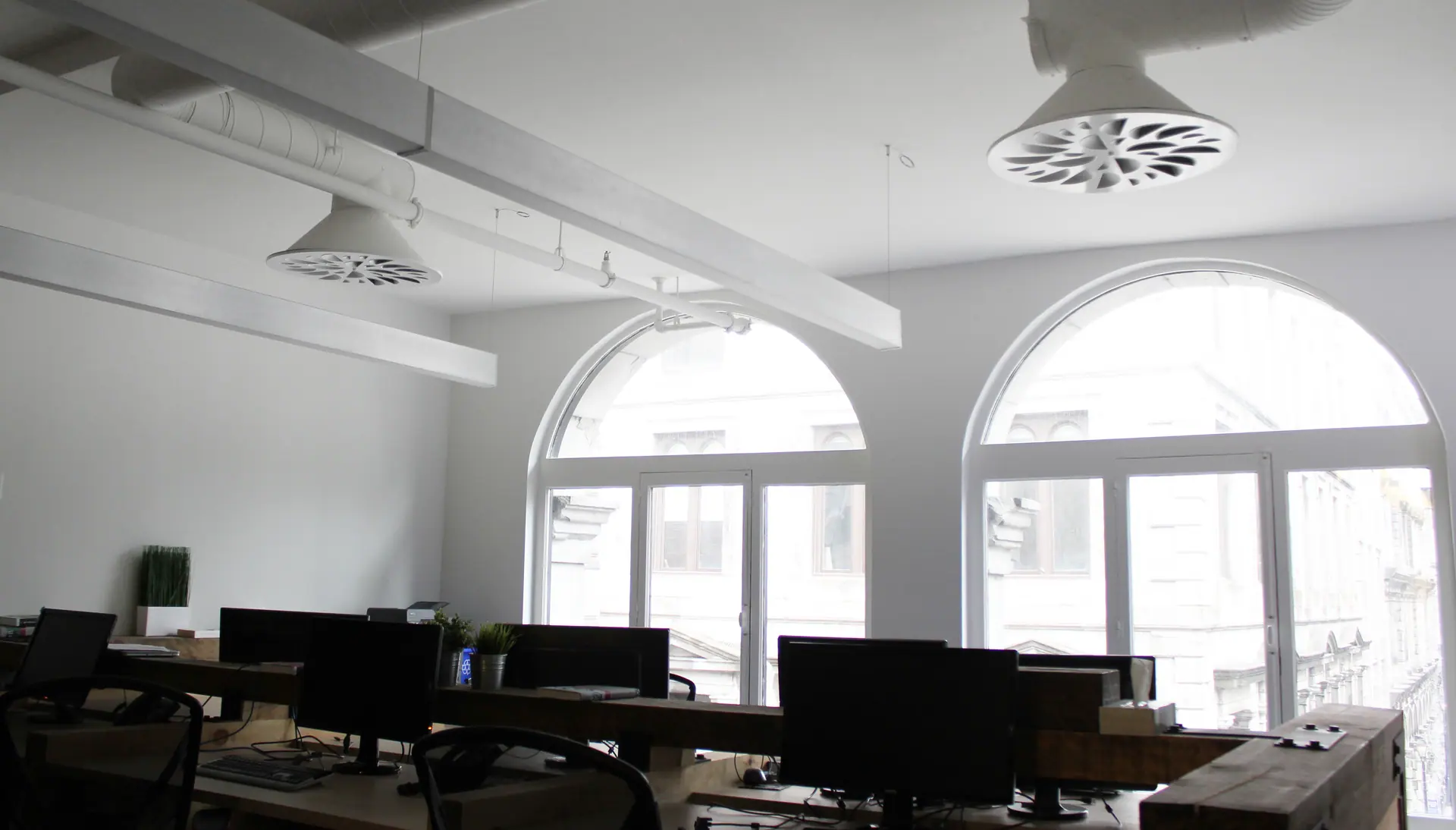
Thermal comfort
Comfort is felt.Drafts are measured.
Comfort is subjective. The draft falling from a ceiling diffuser is not: it is air moving too fast or too cold in the occupied zone. And it can be designed out of the room.
What the standard aims for
80%
Nobody designs for everyone.
ASHRAE Standard 55 considers an environment comfortable when at least 80 % of occupants find it acceptable. Preferences vary from person to person. But the most common complaint, the draft from a ceiling diffuser, is not subjective at all.
The six factors of thermal comfort
Air distribution
- Air temperature
- How well supply air mixes before it reaches occupants.
- Air speed
- The jet’s residual velocity in the occupied zone: the source of drafts.
The building and system
- Radiant temperature
- Cold or warm glazing, walls and ceilings.
- Humidity
- Controlled by the system, not the diffuser.
The occupant
- Metabolic rate
- Seated at a desk, standing, moving.
- Clothing
- Varies with the season and the person.
Where the jet goes
Same airflow. Same room. Two behaviours.
Section through a room with a 10 ft ceiling, diffuser at the centre of the ceiling, cooling air. Colour shows air speed; orange shows the room air: induced into the jet at the centre, carried along the ceiling, down the walls and back across the occupied zone. Turn the airflow down to see VAV turndown.
Diffuser
Airflow
The jet stays concentrated.
Little room air is entrained. The jet keeps its velocity and its chill along the ceiling, separates and drops into the occupied zone: that is the draft.
The jet mixes at the ceiling.
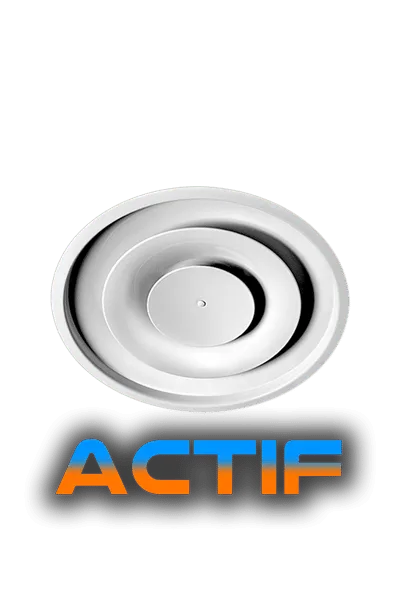
Swirl vanes split the supply into many small jets that draw in a lot of room air. The air is mixed and slowed at the ceiling, before it reaches people.
At low airflow, the jet dumps.
Turned down, the supply has too little velocity to hold the ceiling and entrains no room air. The cold air falls straight into the occupied zone: a cold shower under the diffuser.
At low airflow, it still holds the ceiling.
The swirl keeps the jet attached even when turned down, and it still draws in about as much room air as a conventional diffuser at high airflow. No cold shower.
Air speed in the occupied zone
Conceptual illustration only. It shows the principle, not a measurement: real temperatures, airflows and air quality vary from one room, system and building to the next. Not a CFD run of a specific product.
When the duct is kinked.
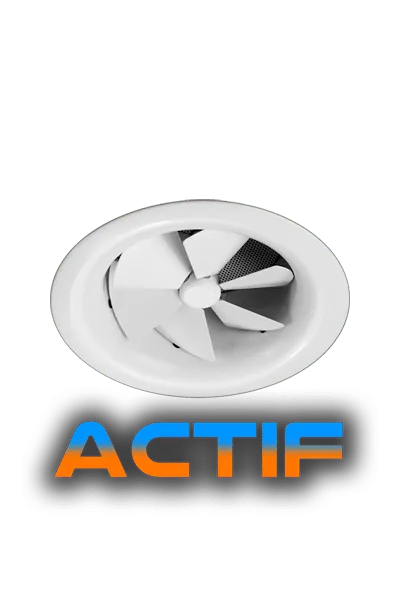
Ceiling spaces are tight, so the flexible duct often bends hard into the top of the diffuser. In a diffuser with large openings and an integral collar, the kink throws the air to the far side: most of it leaves through one side, the rest is split between the other three.
Installation
One side drafts, the other stalls.
The strong side runs well above its design velocity and drops into the occupied zone: a draft. The duct side gets a weak jet that drops short, and the far end of the room becomes a hot zone.
Even on every side.
The duct goes straight into the side of the plenum. The air builds pressure there before it leaves through many small openings, so every side discharges the same and the room mixes evenly.
Conceptual illustration only. It shows the principle, not a measurement: real temperatures, airflows and air quality vary from one room, system and building to the next. Not a CFD run of a specific product.
The engineer’s test
A point is comfortable, or it is not.
ADPI (Air Diffusion Performance Index, ASHRAE 113) is the share of measured points in the occupied zone that pass this test. Move the probe across the chart.
Effective draft temperature
–
–
- Speed
- –
- EDT
- –
The ASHRAE Handbook (Fundamentals) generally considers an ADPI above 80 % acceptable.
The price of discomfort
Discomfort costs more than comfort.
01
Complaints
Thermostat wars and constant complaints about the air conditioning.
02
Absenteeism and performance
An uncomfortable workplace is paid for in absences and output.
03
Service calls
Every complaint becomes a call, a visit, an adjustment, often without fixing the cause.
Run the numbers with yours
Your assumptions, not our promise.Annual value
–
Even a small share of payroll recovered in productivity quickly offsets the cost of upgrading the diffusers.
How EffectiV designs out drafts
Four ways to keep air off people’s shoulders.
01
Adjustable on site
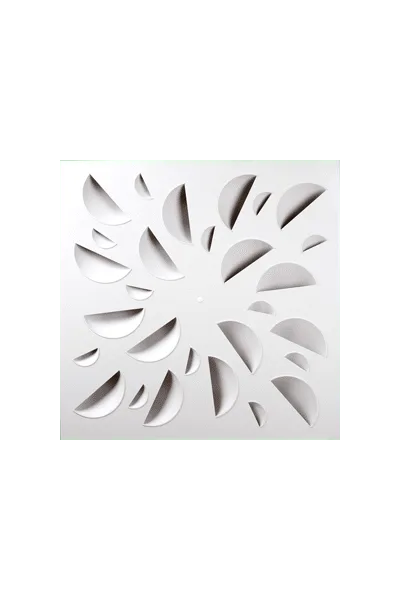
Each PLAY sector turns a full 360° from the face. In a shared office, air is steered away from the person who feels it, without touching the system.
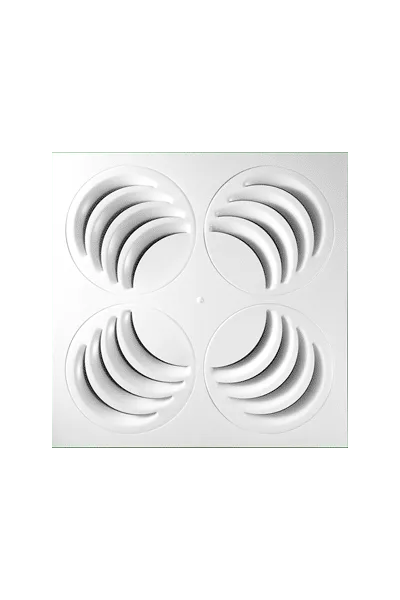 ★
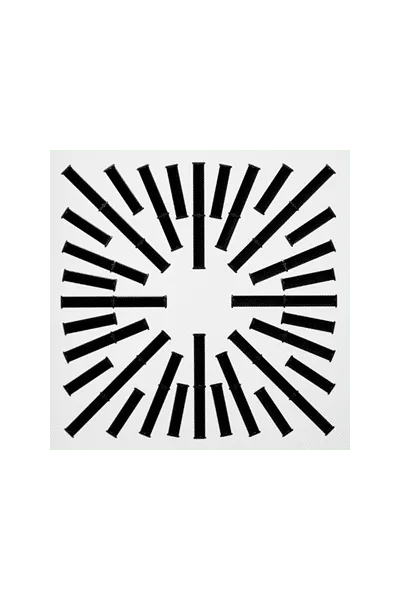
PLAY-S
360 Degrees Adjustable Sectors Square Diffuser
24″ x 24″ · Steel
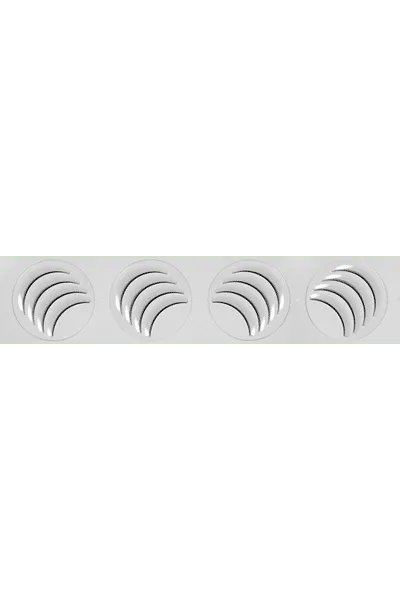
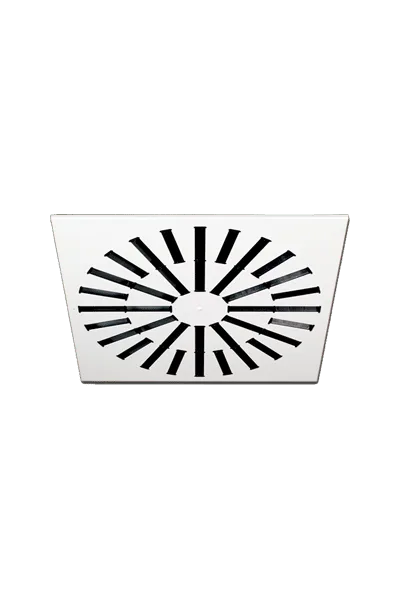
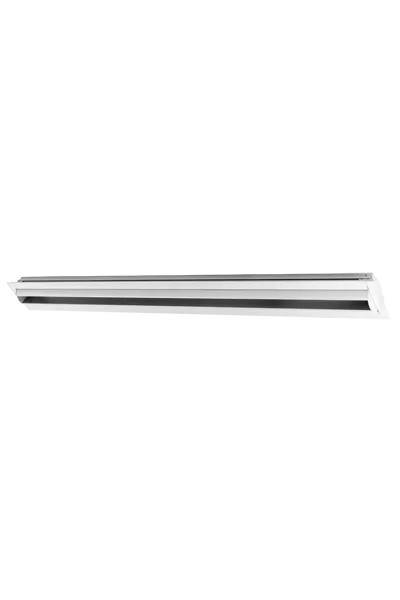
PLAY-R
360 Degrees Adjustable Sectors Rectangular Diffuser
36″ x 12″, 48″ x 12″ · Steel
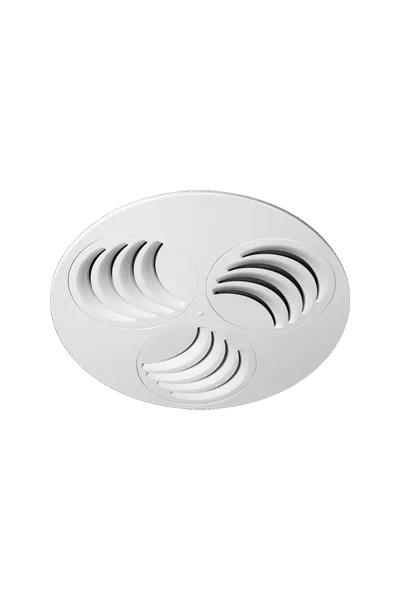
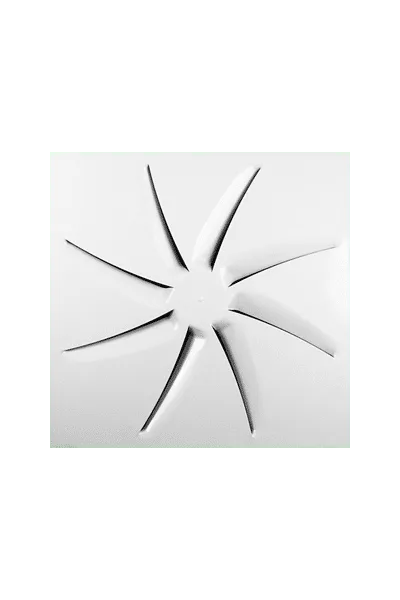
PLAY-C
360 Degrees Adjustable Sectors Round Diffuser
25″ Diameter · Steel
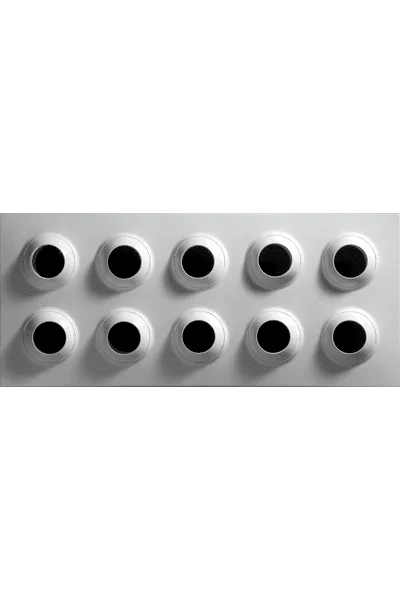 ★
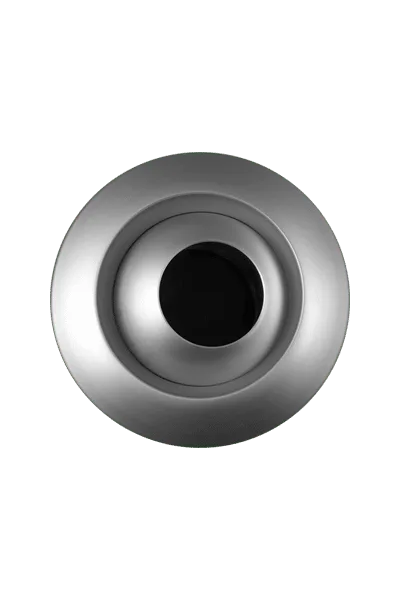
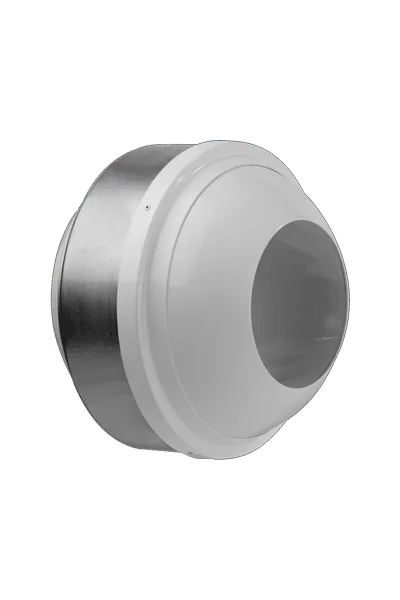
KOO
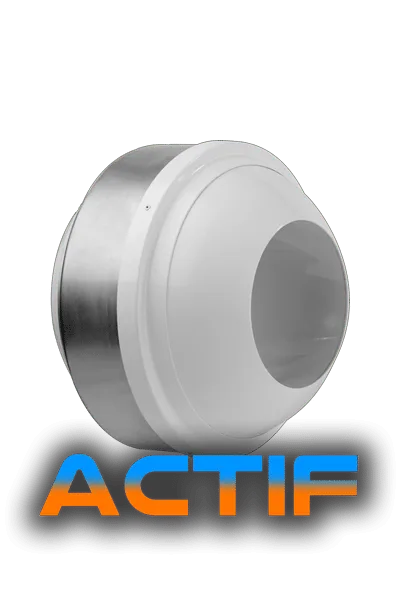
Architectural Adjustable Long Throw Multi-Nozzle Jet Diffuser
Aluminum, Galvanized Steel · Adjustable Airflow
Go further
Design comfort before you build.
SelectiV · Verified
Designing a room? Start with the air.
Use SelectiV to lay out diffusers in 3D, or ask for a Verified CFD study to validate comfort, IAQ and energy before anything is installed.